Crossbow Regulations in Canada: A Province-and-Territory Guide

Crossbow hunting and purchase rules for all 13 Canadian provinces and territories. Last reviewed: September 19, 2026.
Equipment requirements are listed below. Hunting licences, seasons and local shooting rules also apply.
- # Canada-Wide Basics
- # Bowfishing
- # Target Shooting
- # Alberta
- # British Columbia
- # Manitoba
- # New Brunswick
- # Newfoundland and Labrador
- # Northwest Territories
- # Nova Scotia
- # Nunavut
- # Ontario
- # Prince Edward Island
- # Quebec
- # Saskatchewan
- # Yukon
Canada-Wide Crossbow Rules
- No firearms licence (PAL) or registration is required for a non-prohibited, two-handed crossbow longer than 500 mm.
- Crossbows 500 mm or shorter, including the stirrup, and crossbows designed for one-handed use are federally prohibited. Converting a one-handed design to two-handed use does not remove that prohibition.
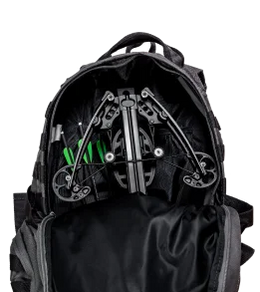
- BALLISTA's Canadian BAT and BAT Reverse versions have factory non-removable stocks. They are supplied from our Canadian warehouse; these are the compact models covered by the lists below.
- A bolt magazine is not a federal crossbow prohibition. Hunting requirements depend on the province or territory and the ammunition used.
Official sources: Justice Laws: SOR/98-462, Schedule, Part 3, section 7; CBSA: crossbows and importation; RCMP: crossbow licensing
The hunting lists cover the stated equipment requirements, not every species or season. Arrow entries apply to a compliant, compatible crossbow fitted with the required hunting broadhead.
STING 13/16 hunting-arrow weight is configurable. A 150-grain STING insert with a compatible 100-grain, standard 8-32 broadhead puts the complete arrow above 16.2 g. Use the required cutting width. This insert option does not apply to the dedicated magazine bolts.
Bowfishing in Canada
- Bowfishing has its own fishing-licence, species, waterbody, season and gear rules. A crossbow that qualifies for hunting is not automatically approved for fishing. The product lists below compare hunting equipment, not bowfishing rigs.
- Ontario lists bow-and-arrow opportunities for bowfin, common carp and white sucker in specified zones and periods. Check the current non-angling-method table and confirm the permitted gear for the intended waterbody.
- Alberta prohibits fishing with a crossbow under section 27(2) of the Alberta Fishery Regulations. Its ordinary bowfishing permissions do not authorize crossbows.
- Saskatchewan permits bowfishing for carp and suckers, not game fish or bigmouth buffalo. A fishing licence is required, and the fish arrow must have a retrieval line.
- Quebec permits bow/crossbow fishing in many zones but excludes specified species and waters. Its current guidance also restricts pike where a pike length limit applies, as well as walleye where a walleye length limit applies. Check the complete list before fishing.
Official sources: DFO recreational fishing rules; Ontario non-angling methods; Alberta Fishery Regulations: crossbow fishing prohibition; Saskatchewan bowfishing rules; Quebec bow/crossbow fishing
Purchase and Target Shooting
- Canadian fixed-stock models, including magazine models, are available for purchase without a firearms licence (PAL).
- Target shooting is subject to municipal discharge and range rules. Purchasing a crossbow does not authorize shooting it in a backyard or carrying it for self-defence.
- For magazine-model practice, use the manufacturer-approved practice setup; shooting the dedicated 10.5-inch bolts with hunting blades installed voids their warranty.
Official sources: RCMP crossbow licensing; Example local discharge rules: London; 10.5-inch bolt practice instructions; Criminal Code: dangerous-purpose possession
Alberta
- For big game, a crossbow must require at least 100 lb to draw the string to its cocked position. This is the crossbow's draw requirement, not the user's reduced effort with a cocking aid.
- Hunting arrows need a solid, sharp broadhead at least 7/8 inch wide, or an impact-opening mechanical broadhead with at least 7/8 inch of sharp cutting width when open. A head must not be designed to resist withdrawal from the animal.
- Crossbow arrow length is unrestricted.
- Crossbows cannot normally be used in archery-only big-game seasons. Eligible hunters may obtain the disability authorization under Wildlife Regulation section 105, with the required medical assessment. A crossbow does not require a bowhunting permit, but ordinary hunting, species and special-licence requirements still apply.
- For 2026, the weapons restriction was repealed for the December-February WMU 212 antlerless elk seasons; the November season remains unchanged. This is a specific season change, not permission to use crossbows in every archery season.
- Fishing with a crossbow is prohibited by section 27(2) of the Alberta Fishery Regulations, 1998. Permissions for ordinary bow-and-arrow fishing do not authorize crossbow fishing.
✅ Suitable crossbows and arrows for huntingBig-game hunting in eligible seasons; archery-only use requires the applicable disability authorization
- BAT with L-Stock, BAT with T-Stock, BAT Reverse with L-Stock, BAT Reverse with T-Stock, Hawkwing, MEGABAT, MEGABAT Reverse (broadhead at least 7/8 inch wide, not designed to resist withdrawal).
- STING 13-inch hunting arrows (BAT / BAT Reverse, non-magazine; broadhead at least 7/8 inch wide, not designed to resist withdrawal).
- STING 16-inch hunting arrows (BAT / BAT Reverse, non-magazine; broadhead at least 7/8 inch wide, not designed to resist withdrawal).
- STING Helical 16-inch hunting arrows (Hawkwing; broadhead at least 7/8 inch wide, not designed to resist withdrawal).
- PIERCER 20-inch 2-vane hunting arrows (MEGABAT; broadhead at least 7/8 inch wide, not designed to resist withdrawal).
- PIERCER 20-inch 3-vane hunting arrows (MEGABAT Reverse; broadhead at least 7/8 inch wide, not designed to resist withdrawal).
Purchase
- No firearms licence (PAL) required for the Canadian configurations listed here.
- Available: BAT with L-Stock, BAT with T-Stock, BAT Reverse with L-Stock, BAT Reverse with T-Stock, Hawkwing, MEGABAT, MEGABAT Reverse, BAT with Magazine + fixed L-Stock, BAT Reverse with Magazine + fixed L-Stock; compatible arrows, including 10.5-inch broadhead bolts.
❌ Unsuitable crossbows and arrows for huntingBig-game hunting in eligible seasons; archery-only use requires the applicable disability authorization
- No additional model-specific exclusion listed.
Official sources: Alberta Wildlife Act, Schedule Item 2: prohibited big-game equipment; Alberta Wildlife Regulation, section 105; August 12, 2026 consolidation; 2026 Alberta Guide: Hunting with Crossbows; Alberta: Important Changes for 2026; Alberta Fishery Regulations, section 27(2): crossbow fishing prohibited; 2026 Alberta Guide: Game Bird Regulations; Federal Migratory Birds Regulations, section 37; Alberta public-land recreational shooting guidance; Federal prohibited weapons: Schedule, Part 3, section 7
Alberta Forestry and Parks, Hunting and Fishing Branch. Official contact / licensing information. FP.HuntingAndFishingBranch@gov.ab.ca; Edmonton 780-427-3574; licence assistance 1-888-944-5494
British Columbia
- Compound crossbows require at least 45 kg draw weight. Complete hunting bolts must weigh at least 16.2 g.
- For big game, broadheads must be at least 2.2 cm wide. Non-compound crossbows require at least 55 kg draw for deer, lynx, bobcat and wolverine, or 68 kg for other big game; the latter provision requires a broadhead at least 2.22 cm wide. Bison have separate equipment rules and are excluded from the product comparisons below.
- Crossbows can be used in applicable special bow-only seasons. Check the species and management-unit tables, closures and licence conditions; a Fish and Wildlife ID, hunting and species licences, Limited Entry Hunting authorization where applicable, and applicable non-resident guide or accompanying-hunter arrangements remain necessary.
- The 2026-2028 synopsis applies from July 1, 2026 through June 30, 2028. It adds mandatory reporting for all elk species licences; this is not a new crossbow-equipment threshold. The proposed lead-shot ban described as on hold is not an effective prohibition.
- The supplied 150-grain magazine bolts weigh about 9.72 g, below the 16.2 g hunting minimum.
✅ Suitable crossbows and arrows for huntingOrdinary big-game hunting, excluding bison; compound-crossbow comparisons; lawful species, area and season only
- BAT with L-Stock, BAT with T-Stock, BAT Reverse with L-Stock, BAT Reverse with T-Stock, Hawkwing, MEGABAT, MEGABAT Reverse (complete arrow at least 16.2 g; broadhead at least 22 mm wide).
- STING 13-inch hunting arrows (BAT / BAT Reverse, non-magazine; complete arrow at least 16.2 g; broadhead at least 22 mm wide).
- STING 16-inch hunting arrows (BAT / BAT Reverse, non-magazine; complete arrow at least 16.2 g; broadhead at least 22 mm wide).
- STING Helical 16-inch hunting arrows (Hawkwing; complete arrow at least 16.2 g; broadhead at least 22 mm wide).
- PIERCER 20-inch 2-vane hunting arrows (MEGABAT; complete arrow at least 16.2 g; broadhead at least 22 mm wide).
- PIERCER 20-inch 3-vane hunting arrows (MEGABAT Reverse; complete arrow at least 16.2 g; broadhead at least 22 mm wide).
Purchase
- No firearms licence (PAL) required for the Canadian configurations listed here.
- Available: BAT with L-Stock, BAT with T-Stock, BAT Reverse with L-Stock, BAT Reverse with T-Stock, Hawkwing, MEGABAT, MEGABAT Reverse, BAT with Magazine + fixed L-Stock, BAT Reverse with Magazine + fixed L-Stock; compatible arrows, including 10.5-inch broadhead bolts.
❌ Unsuitable crossbows and arrows for huntingOrdinary big-game hunting, excluding bison; compound-crossbow comparisons; lawful species, area and season only
- BAT with Magazine + fixed L-Stock, BAT Reverse with Magazine + fixed L-Stock (supplied 150-grain magazine bolts are below 16.2 g).
- 10.5-inch broadhead bolts (magazine models; supplied 150-grain configuration is below 16.2 g).
Official sources: BC Hunting Regulation, sections 17-18; July 1, 2026 amendments; BC 2026-2028 Hunting and Trapping Regulations Synopsis; BC Wildlife Act: bow and crossbow definitions; Federal prohibited weapons: Schedule, Part 3, section 7; Saanich Firearm and Bow Discharge Regulation Bylaw 9414
BC Ministry of Water, Land and Resource Stewardship, Fish and Wildlife, through FrontCounter BC. Official contact / licensing information. 1-877-855-3222; FrontCounterBC@gov.bc.ca
Manitoba
- Big-game crossbows require at least 150 lb draw weight.
- Arrows for big game and wild turkey require a pointed broadhead at least 2.2 cm wide at the widest cutting-edge point, with at least two sharp cutting edges. Arrows containing or carrying explosive charges, drugs, scent or poison are prohibited, including possession while hunting.
- Crossbows may be used in eligible general rifle and muzzleloader seasons. Archery-only big-game seasons require a Disabled Crossbow Permit. Combined shotgun/muzzleloader seasons exclude crossbows; do not confuse these with seasons expressly designated for muzzleloaders and crossbows.
- The Disabled Crossbow Permit requires a qualifying disability and physician documentation under section 22.1 of the Miscellaneous Licences and Permits Regulation. Ordinary hunting licences, hunter-education requirements and the species, game hunting area and season conditions still apply.
- The 2026 guide also specifies a 150 lb crossbow minimum for wild turkey and prohibits crossbow possession while hunting migratory birds.
- Use the 2026 species and season schedules, including the season regulation amended June 16, 2026.
✅ Suitable crossbows and arrows for huntingBig-game hunting in eligible seasons; wild-turkey guidance is noted separately
- BAT Reverse with L-Stock, BAT Reverse with T-Stock, Hawkwing, MEGABAT, MEGABAT Reverse (broadhead at least 22 mm wide with two sharp cutting edges).
- STING 13-inch hunting arrows (BAT Reverse, non-magazine; broadhead at least 22 mm wide with two sharp cutting edges).
- STING 16-inch hunting arrows (BAT Reverse, non-magazine; broadhead at least 22 mm wide with two sharp cutting edges).
- STING Helical 16-inch hunting arrows (Hawkwing; broadhead at least 22 mm wide with two sharp cutting edges).
- PIERCER 20-inch 2-vane hunting arrows (MEGABAT; broadhead at least 22 mm wide with two sharp cutting edges).
- PIERCER 20-inch 3-vane hunting arrows (MEGABAT Reverse; broadhead at least 22 mm wide with two sharp cutting edges).
Purchase
- No firearms licence (PAL) required for the Canadian configurations listed here.
- Available: BAT with L-Stock, BAT with T-Stock, BAT Reverse with L-Stock, BAT Reverse with T-Stock, Hawkwing, MEGABAT, MEGABAT Reverse, BAT with Magazine + fixed L-Stock, BAT Reverse with Magazine + fixed L-Stock; compatible arrows, including 10.5-inch broadhead bolts.
❌ Unsuitable crossbows and arrows for huntingBig-game hunting in eligible seasons; wild-turkey guidance is noted separately
- BAT with L-Stock, BAT with T-Stock, BAT with Magazine + fixed L-Stock (130 lb draw is below the required 150 lb / 68 kg).
Official sources: Manitoba General Hunting Regulation, sections 6 and 6.0.1; current September 19, 2026; 2026 Manitoba Hunting Guide: April 1, 2026-March 31, 2027; Manitoba Disabled Crossbow Permit, section 22.1; Manitoba Hunting Seasons and Bag Limits Regulation; June 16, 2026 amendment; Federal Migratory Birds Regulations, section 37; Winnipeg Parks By-law 85/2009, section 12; Federal prohibited weapons: Schedule, Part 3, section 7
Manitoba Natural Resources and Indigenous Futures, Wildlife and Fisheries Branch. Official contact / licensing information. Wildlife@gov.mb.ca; 204-945-7772; 1-800-214-6497
New Brunswick
- A conventional crossbow needs at least 68 kg (published as 150 lb) limb draw weight and a mechanical trigger safety. Fish and Wildlife Act s.43.1 applies to possession in a resort of wildlife, not only to deer, moose and bear hunting.
- Deer, moose and bear require a broadhead with two, three or four blades; no blade may be barbed or less than 20 mm at its widest point. Specified poisoned, explosive, barbed and ripper projectiles are prohibited. Migratory birds additionally require the federal 22 mm/two-sharp-blade standard.
- Crossbows can be used in authorized bow and general seasons, but not the muzzleloader-only deer extension. Species licences/draws, zone restrictions, nonresident guiding requirements and Sunday closures still apply.
- Hunters born on or after January 1, 1981, and first-time hunters require the prescribed education. Crossbow-course recognition differs for residents and nonresidents; older experienced hunters must establish any applicable exemption through accepted evidence.
- The enacted 2026 turkey change gives three weeks starting on the first Monday in May, replacing two weeks from the second Monday. Ordinary Sunday hunting is permitted only during October 14-December 31 and within the species' open season.
✅ Suitable crossbows and arrows for huntingAuthorized deer, moose and bear hunting; conventional-crossbow possession rules also apply in wildlife habitat
- BAT Reverse with L-Stock, BAT Reverse with T-Stock, Hawkwing, MEGABAT, MEGABAT Reverse (2-4 nonbarbed blades, each at least 20 mm wide).
- STING 13-inch hunting arrows (BAT Reverse, non-magazine; 2-4 nonbarbed blades, each at least 20 mm wide).
- STING 16-inch hunting arrows (BAT Reverse, non-magazine; 2-4 nonbarbed blades, each at least 20 mm wide).
- STING Helical 16-inch hunting arrows (Hawkwing; 2-4 nonbarbed blades, each at least 20 mm wide).
- PIERCER 20-inch 2-vane hunting arrows (MEGABAT; 2-4 nonbarbed blades, each at least 20 mm wide).
- PIERCER 20-inch 3-vane hunting arrows (MEGABAT Reverse; 2-4 nonbarbed blades, each at least 20 mm wide).
Purchase
- No firearms licence (PAL) required for the Canadian configurations listed here.
- Available: BAT with L-Stock, BAT with T-Stock, BAT Reverse with L-Stock, BAT Reverse with T-Stock, Hawkwing, MEGABAT, MEGABAT Reverse, BAT with Magazine + fixed L-Stock, BAT Reverse with Magazine + fixed L-Stock; compatible arrows, including 10.5-inch broadhead bolts.
- BAT 130 lb models may not be possessed in a resort of wildlife under section 43.1, even without hunting.
❌ Unsuitable crossbows and arrows for huntingAuthorized deer, moose and bear hunting; conventional-crossbow possession rules also apply in wildlife habitat
- BAT with L-Stock, BAT with T-Stock, BAT with Magazine + fixed L-Stock (130 lb draw is below the required 150 lb / 68 kg).
Official sources: Fish and Wildlife Act, sections 1, 41-43.2 and 46; Official crossbow and firearm equipment guidance; Hunter education requirements; Enacted 2026 turkey expansion
New Brunswick Department of Natural Resources, Fish and Wildlife Branch. Official contact / licensing information. 506-453-3826. Ask specifically about s.43.1, the actual target premises and transport route for a 130 lb crossbow.
Newfoundland and Labrador
- Crossbows may be used in applicable regular small- and big-game seasons, but not the special big-game bow preseason. Use the current management-area season table; the 2026 archery preseason opening is not a crossbow opening date.
- Small- and big-game crossbows require at least 68 kg at peak draw, approximately 150 lb, under Wild Life Regulations section 108(3.1).
- Big-game bolts need a metal hunting head with at least two sharpened cutting surfaces. Small-game arrows need a blunt or bludgeoning head designed to kill by shock; practice and field points are not accepted. Poisoned, drugged, barbed and explosive heads are prohibited.
- Small-game firearm or bow hunting starts at age 12 with recognized safety/hunter training. Big-game applicants must be 16 by August 31. Youth supervision, licences, tags and non-resident big-game guide requirements apply. Agency crossbow guidance does not require a separate crossbow course.
✅ Suitable crossbows and arrows for huntingListed hunting matches concern big game in regular seasons; small game requires different arrowheads.
- BAT Reverse with L-Stock, BAT Reverse with T-Stock, Hawkwing, MEGABAT, MEGABAT Reverse (metal big-game head with at least two sharp cutting surfaces; no barbed head).
- STING 13-inch hunting arrows (BAT Reverse, non-magazine; metal big-game head with at least two sharp cutting surfaces; no barbed head).
- STING 16-inch hunting arrows (BAT Reverse, non-magazine; metal big-game head with at least two sharp cutting surfaces; no barbed head).
- STING Helical 16-inch hunting arrows (Hawkwing; metal big-game head with at least two sharp cutting surfaces; no barbed head).
- PIERCER 20-inch 2-vane hunting arrows (MEGABAT; metal big-game head with at least two sharp cutting surfaces; no barbed head).
- PIERCER 20-inch 3-vane hunting arrows (MEGABAT Reverse; metal big-game head with at least two sharp cutting surfaces; no barbed head).
Purchase
- No firearms licence (PAL) required for the Canadian configurations listed here.
- Available: BAT with L-Stock, BAT with T-Stock, BAT Reverse with L-Stock, BAT Reverse with T-Stock, Hawkwing, MEGABAT, MEGABAT Reverse, BAT with Magazine + fixed L-Stock, BAT Reverse with Magazine + fixed L-Stock; compatible arrows, including 10.5-inch broadhead bolts.
- Possession and transport in wildlife-frequented areas require the applicable game licence or ministerial authorization.
❌ Unsuitable crossbows and arrows for huntingListed hunting matches concern big game in regular seasons; small game requires different arrowheads.
- BAT with L-Stock, BAT with T-Stock, BAT with Magazine + fixed L-Stock (130 lb draw is below the required 150 lb / 68 kg).
Official sources: Wild Life Regulations: sections 107, 108 and 111; 2026-27 hunting regulation summaries; 2026-27 complete hunting guide and season tables; Agency crossbow course and season FAQ (2023-24)
Newfoundland and Labrador Wildlife Division. Official contact / licensing information. 709-637-2025 or 709-729-2630; wildlifelicense@gov.nl.ca
Northwest Territories
- Crossbows are a permitted hunting method under the Wildlife Act, subject to hunting licences, seasons and equipment requirements.
- For big game, section 5(6) requires at least 68 kg draw weight at 700 mm, a complete bolt weighing at least 16.2 g, and a broadhead with at least 22 mm cutting diameter.
- The statutory 700 mm figure belongs to the draw-weight requirement; it is not a minimum bolt length or overall crossbow length.
- Licences, species tags and current species/area seasons apply. Licence applicants must be at least 12; under-18 hunters need adult accompaniment and parental consent for their own licence. The resident-youth exception allows hunting under an eligible adult's authority subject to its conditions, not independent unrestricted hunting.
- Resident and non-resident licence applicants need government-issued hunter education. Non-resident big-game hunters need a licensed outfitter and guide. Land-claim permissions and closures also apply; the current guide covers July 1, 2026-June 30, 2027.
- The supplied 150-grain magazine bolts weigh about 9.72 g, below the 16.2 g big-game minimum.
✅ Suitable crossbows and arrows for huntingBig game; arrow matches do not establish crossbow draw-measurement compliance
- STING 13-inch hunting arrows (BAT Reverse, non-magazine; complete arrow at least 16.2 g; broadhead at least 22 mm wide).
- STING 16-inch hunting arrows (BAT Reverse, non-magazine; complete arrow at least 16.2 g; broadhead at least 22 mm wide).
- STING Helical 16-inch hunting arrows (Hawkwing; complete arrow at least 16.2 g; broadhead at least 22 mm wide).
- PIERCER 20-inch 2-vane hunting arrows (MEGABAT; complete arrow at least 16.2 g; broadhead at least 22 mm wide).
- PIERCER 20-inch 3-vane hunting arrows (MEGABAT Reverse; complete arrow at least 16.2 g; broadhead at least 22 mm wide).
Purchase
- No firearms licence (PAL) required for the Canadian configurations listed here.
- Available: BAT with L-Stock, BAT with T-Stock, BAT Reverse with L-Stock, BAT Reverse with T-Stock, Hawkwing, MEGABAT, MEGABAT Reverse, BAT with Magazine + fixed L-Stock, BAT Reverse with Magazine + fixed L-Stock; compatible arrows, including 10.5-inch broadhead bolts.
❌ Unsuitable crossbows and arrows for huntingBig game; arrow matches do not establish crossbow draw-measurement compliance
- BAT with L-Stock, BAT with T-Stock, BAT with Magazine + fixed L-Stock, BAT Reverse with Magazine + fixed L-Stock (BAT: 130 lb is below 68 kg; magazine setups: supplied bolts are below 16.2 g).
- 10.5-inch broadhead bolts (magazine models; supplied 150-grain configuration is below 16.2 g).
Official sources: NWT Big Game Hunting Regulations, section 5(6); NWT Wildlife Act: equipment and discharge restrictions; NWT hunting licences, age and education; NWT Hunting and Trapping Regulations 2026-27 (PDF); ECC target-shooting and site-safety guidance
NWT Environment and Climate Change, North Slave Wildlife. Official contact / licensing information. 867-767-9238 ext. 53247; ECC_NorthSlave_Slavenord@gov.nt.ca. General inquiries: 867-767-9055; ECC_Communications@gov.nt.ca
Nova Scotia
- Big-game crossbows require at least 150 lb (68 kg) draw and a broadhead with at least two sharp cutting edges and diameter greater than 2.2 cm. Exactly 22 mm is insufficient. The statutory big-game definition includes moose, but no moose hunt is open in 2026.
- The 2026 deer archery/muzzleloader framework runs September 14-December 12. September 14-26 is special bow-only and September 27 is a closed Sunday, so ordinary crossbow opportunity begins September 28, subject to area, stamp and lawful-day conditions.
- Hunters need the required client registration, Wildlife Habitat Stamp, species stamp and recognized crossbow qualification or accepted equivalency. Nonresidents need the applicable guide arrangement. Current age and supervision rules replace outdated FAQ statements.
- O.I.C. 2026-27, effective January 26, 2026, includes N.S. Reg. 23/2026. It changes the dwelling definition, certain season/rifle wording and disability discharge permits, but does not change crossbow draw or head minima or introduce a magazine, bolt-length, weight or energy rule.
✅ Suitable crossbows and arrows for huntingAuthorized deer and bear hunting; not the special bow-only deer period; no 2026 moose hunt
- BAT Reverse with L-Stock, BAT Reverse with T-Stock, Hawkwing, MEGABAT, MEGABAT Reverse (broadhead wider than 22 mm, with two sharp cutting edges).
- STING 13-inch hunting arrows (BAT Reverse, non-magazine; broadhead wider than 22 mm, with two sharp cutting edges).
- STING 16-inch hunting arrows (BAT Reverse, non-magazine; broadhead wider than 22 mm, with two sharp cutting edges).
- STING Helical 16-inch hunting arrows (Hawkwing; broadhead wider than 22 mm, with two sharp cutting edges).
- PIERCER 20-inch 2-vane hunting arrows (MEGABAT; broadhead wider than 22 mm, with two sharp cutting edges).
- PIERCER 20-inch 3-vane hunting arrows (MEGABAT Reverse; broadhead wider than 22 mm, with two sharp cutting edges).
Purchase
- No firearms licence (PAL) required for the Canadian configurations listed here.
- Available: BAT with L-Stock, BAT with T-Stock, BAT Reverse with L-Stock, BAT Reverse with T-Stock, Hawkwing, MEGABAT, MEGABAT Reverse, BAT with Magazine + fixed L-Stock, BAT Reverse with Magazine + fixed L-Stock; compatible arrows, including 10.5-inch broadhead bolts.
- Outside lawful hunting, wildlife-habitat possession and transport require a transport permit unless a listed exemption applies.
❌ Unsuitable crossbows and arrows for huntingAuthorized deer and bear hunting; not the special bow-only deer period; no 2026 moose hunt
- BAT with L-Stock, BAT with T-Stock, BAT with Magazine + fixed L-Stock (130 lb draw is below the required 150 lb / 68 kg).
Official sources: Firearm and Bow Regulations, sections 2 and 4-11; 2026 Hunting and Furharvesting Summary; January 2026 amendment, Gazette pages 61-62; Crossbow training and qualification
Nova Scotia Department of Natural Resources. Official contact / licensing information. 902-424-5935; hunter education 1-866-639-3949
Nunavut
- For big game, a compound crossbow requires at least 45 kg draw at full draw; a non-compound crossbow requires at least 68 kg.
- Complete bolts must weigh at least 16.2 g. Broadheads must be at least 22.2 mm wide.
- Use the limb draw rating, not the reduced effort of the cocking aid.
- Small-game licensing starts at age 12 and big-game licensing normally at 16, with a parent/guardian-endorsed route at ages 12-16. Hunters need a harvesting licence and big-game species tags; licences run July 1-June 30. Follow species, area and harvest-limit tables, not a blanket all-year assumption.
- Non-resident big-game hunters need a licensed outfitter and professional guide. Residents may also need an approved guide during their first two years after obtaining a harvesting licence, unless the HTO waiver or no-approved-guide exception applies. HTO approval is required for designated furbearers. The current guide describes hunter education as voluntary.
- Sport hunting is prohibited in national and territorial parks. Sanctuary and preserve restrictions also apply.
✅ Suitable crossbows and arrows for huntingBig-game hunting; compound crossbows
- BAT with L-Stock, BAT with T-Stock, BAT Reverse with L-Stock, BAT Reverse with T-Stock, Hawkwing, MEGABAT, MEGABAT Reverse (complete arrow at least 16.2 g; broadhead at least 22.2 mm wide).
- STING 13-inch hunting arrows (BAT / BAT Reverse, non-magazine; complete arrow at least 16.2 g; broadhead at least 22.2 mm wide).
- STING 16-inch hunting arrows (BAT / BAT Reverse, non-magazine; complete arrow at least 16.2 g; broadhead at least 22.2 mm wide).
- STING Helical 16-inch hunting arrows (Hawkwing; complete arrow at least 16.2 g; broadhead at least 22.2 mm wide).
- PIERCER 20-inch 2-vane hunting arrows (MEGABAT; complete arrow at least 16.2 g; broadhead at least 22.2 mm wide).
- PIERCER 20-inch 3-vane hunting arrows (MEGABAT Reverse; complete arrow at least 16.2 g; broadhead at least 22.2 mm wide).
Purchase
- No firearms licence (PAL) required for the Canadian configurations listed here.
- Available: BAT with L-Stock, BAT with T-Stock, BAT Reverse with L-Stock, BAT Reverse with T-Stock, Hawkwing, MEGABAT, MEGABAT Reverse, BAT with Magazine + fixed L-Stock, BAT Reverse with Magazine + fixed L-Stock; compatible arrows, including 10.5-inch broadhead bolts.
❌ Unsuitable crossbows and arrows for huntingBig-game hunting; compound crossbows
- BAT with Magazine + fixed L-Stock, BAT Reverse with Magazine + fixed L-Stock (supplied 150-grain magazine bolts are below 16.2 g).
- 10.5-inch broadhead bolts (magazine models; supplied 150-grain configuration is below 16.2 g).
Official sources: Nunavut Harvesting Regulations, section 7 (enacted instrument); Nunavut Hunting Regulations Guide 2026-27; Current Nunavut hunting guide landing page; Harvesting Regulations amendment R-024-2024 (unrelated to crossbow minimums)
Nunavut Department of Environment; local Conservation Officer and HTO. Official contact / licensing information. 867-975-7700; environment@gov.nu.ca
Ontario
- Crossbows require at least 300 mm draw length and 54 kg draw weight for moose, elk and black bear, or 300 mm and 45 kg for deer and wild turkey.
- Measure draw length along the bolt ramp from the outer edge of the main limb to the anchor point/release latch at full draw. Advertised power stroke is not automatically this measurement.
- Big-game and turkey bolts need a head at least 22 mm wide with at least two sharp cutting edges. The 600 mm long-bow arrow rule is not a crossbow-bolt minimum. No separate bolt-weight or kinetic-energy minimum was identified.
- Use the exact 2026 wildlife management unit, species, residency, season and tag conditions. Crossbows may be used in authorized bow periods; there is no caribou season. Hunters generally need an Outdoors Card, hunter accreditation and the required licences/tags.
- A crossbow is loaded when cocked with a bolt present; loaded-vehicle restrictions apply. Spring turkey has a 7 p.m. closing time. Do not extend big-game/turkey equipment minima automatically to all small game.
✅ Suitable crossbows and arrows for huntingBig game and turkey; crossbow draw length must meet the 300 mm rule above
- STING 13-inch hunting arrows (BAT / BAT Reverse, non-magazine; broadhead at least 22 mm wide with two sharp cutting edges).
- STING 16-inch hunting arrows (BAT / BAT Reverse, non-magazine; broadhead at least 22 mm wide with two sharp cutting edges).
- STING Helical 16-inch hunting arrows (Hawkwing; broadhead at least 22 mm wide with two sharp cutting edges).
- PIERCER 20-inch 2-vane hunting arrows (MEGABAT; broadhead at least 22 mm wide with two sharp cutting edges).
- PIERCER 20-inch 3-vane hunting arrows (MEGABAT Reverse; broadhead at least 22 mm wide with two sharp cutting edges).
Purchase
- No firearms licence (PAL) required for the Canadian configurations listed here.
- Available: BAT with L-Stock, BAT with T-Stock, BAT Reverse with L-Stock, BAT Reverse with T-Stock, Hawkwing, MEGABAT, MEGABAT Reverse, BAT with Magazine + fixed L-Stock, BAT Reverse with Magazine + fixed L-Stock; compatible arrows, including 10.5-inch broadhead bolts.
❌ Unsuitable crossbows and arrows for huntingBig game and turkey; crossbow draw length must meet the 300 mm rule above
- No additional model-specific exclusion listed.
Official sources: 2026 Ontario hunting equipment rules and measurement endpoints; Hunting Regulation 665/98, sections 79 and 82; 2026 Ontario hunting guide and unit seasons; Municipal Act, section 119
Ontario Ministry of Natural Resources. Official contact / licensing information. 1-800-387-7011
Prince Edward Island
- PEI has no open big-game hunting season.
- PEI's Hunting Regulations include projectile-launching devices in their definition of a firearm. This does not create a federal PAL requirement for an ordinary crossbow.
- For migratory game birds, federal regulations separately require at least 45 kg crossbow draw and a broadhead bolt with at least two sharp blades and at least 22 mm width. Provincial seasons and restrictions still apply, together with the federal migratory-bird permit.
- Hunters need the appropriate licence, hunter-safety certification and Wildlife Conservation Fund payment or exemption. Youth licences cover ages 12-17; supervision rules apply. Non-residents must hunt with a licensed PEI resident hunter or registered guide.
- Follow the current species and locality tables. Pheasant hunting is restricted to licensed preserves; the 2026 woodcock schedule is September 26-December 10.
✅ Suitable crossbows and arrows for huntingBig-game hunting: no open season
- None: no open big-game season.
Purchase
- No firearms licence (PAL) required for the Canadian configurations listed here.
- Available: BAT with L-Stock, BAT with T-Stock, BAT Reverse with L-Stock, BAT Reverse with T-Stock, Hawkwing, MEGABAT, MEGABAT Reverse, BAT with Magazine + fixed L-Stock, BAT Reverse with Magazine + fixed L-Stock; compatible arrows, including 10.5-inch broadhead bolts.
❌ Unsuitable crossbows and arrows for huntingBig-game hunting: no open season
- BAT with L-Stock, BAT with T-Stock, BAT Reverse with L-Stock, BAT Reverse with T-Stock, Hawkwing, MEGABAT, MEGABAT Reverse, BAT with Magazine + fixed L-Stock, BAT Reverse with Magazine + fixed L-Stock (no open big-game season).
- STING 13-inch hunting arrows (BAT / BAT Reverse, non-magazine; no open big-game season).
- STING 16-inch hunting arrows (BAT / BAT Reverse, non-magazine; no open big-game season).
- STING Helical 16-inch hunting arrows (Hawkwing; no open big-game season).
- 10.5-inch broadhead bolts (magazine models; no open big-game season).
- PIERCER 20-inch 2-vane hunting arrows (MEGABAT; no open big-game season).
- PIERCER 20-inch 3-vane hunting arrows (MEGABAT Reverse; no open big-game season).
Official sources: PEI Hunting Regulations: definitions, equipment and range exception; PEI 2026 Hunting Summary; PEI hunting licences, youth and non-resident requirements; PEI hunting and bow safety courses; Migratory Birds Regulations, section 37
PEI Forests, Fish and Wildlife Division. Official contact / licensing information. 902-368-6450; kfarrar@gov.pe.ca
Quebec
The 40 cm minimum below is exactly 400 mm (about 15.75 inches), including the tip. BALLISTA confirms its compatible nominal 16-inch and 20-inch setups for the regional filter's length check. This 40 cm rule concerns moose, white-tailed deer and black bear; it is not a minimum for every hunting activity.
- Current sport-hunting rules cover April 1, 2026 to March 31, 2028. Crossbow hunting is prohibited in zones 17, 22, 23 and 24. Elsewhere check the exact species, zone, weapon period and licence; ordinary bow-only periods are not automatically open to crossbows.
- For moose, white-tailed deer and black bear, a crossbow needs at least 54 kg draw weight and a safety catch. Its completed bolt must be at least 40 cm long including the tip and have at least 22 mm cutting diameter.
- Wild turkey requires a tip with at least 22 mm cutting diameter, but its equipment row does not impose the big-game 54 kg and 40 cm limits. Small-game rules are species-specific. Migratory game birds require at least 45 kg draw and a broadhead at least 22 mm wide with at least two sharp blades.
- Residents normally need hunter-certificate code A or legacy B and the proper hunting licence; code F has not authorized crossbow hunting since 2007. Nonresidents are exempt from the Quebec certificate, not from licences. The current 2026-2028 agency notice removes separate turkey-course certification.
- A cocked crossbow is prohibited in or on a motorized land vehicle, aircraft or trailer, even without a bolt, unless a specific authorization applies.
✅ Suitable crossbows and arrows for huntingMoose, white-tailed deer and black bear, outside prohibited zones; different rules apply to turkey and small game
- BAT with L-Stock, BAT with T-Stock, BAT Reverse with L-Stock, BAT Reverse with T-Stock, Hawkwing, MEGABAT, MEGABAT Reverse (complete arrow at least 40 cm including the tip; cutting diameter at least 22 mm).
- STING 16-inch hunting arrows (BAT / BAT Reverse, non-magazine; complete arrow at least 40 cm including the tip; cutting diameter at least 22 mm).
- STING Helical 16-inch hunting arrows (Hawkwing; complete arrow at least 40 cm including the tip; cutting diameter at least 22 mm).
- PIERCER 20-inch 2-vane hunting arrows (MEGABAT; complete arrow at least 40 cm including the tip; cutting diameter at least 22 mm).
- PIERCER 20-inch 3-vane hunting arrows (MEGABAT Reverse; complete arrow at least 40 cm including the tip; cutting diameter at least 22 mm).
Purchase
- No firearms licence (PAL) required for the Canadian configurations listed here.
- Available: BAT with L-Stock, BAT with T-Stock, BAT Reverse with L-Stock, BAT Reverse with T-Stock, Hawkwing, MEGABAT, MEGABAT Reverse, BAT with Magazine + fixed L-Stock, BAT Reverse with Magazine + fixed L-Stock; compatible arrows, including 10.5-inch broadhead bolts.
❌ Unsuitable crossbows and arrows for huntingMoose, white-tailed deer and black bear, outside prohibited zones; different rules apply to turkey and small game
- BAT with Magazine + fixed L-Stock, BAT Reverse with Magazine + fixed L-Stock (dedicated 10.5-inch bolts are shorter than 40 cm).
- STING 13-inch hunting arrows (BAT / BAT Reverse, non-magazine; shorter than the required 40 cm).
- 10.5-inch broadhead bolts (magazine models; shorter than the required 40 cm).
Official sources: Quebec 2026-2028 weapons and ammunition table; Regulation respecting hunting, section 31; Current 2026-2028 changes and regulatory contact; Weapon use and local restrictions
Quebec Biodiversity, Wildlife and Parks Client Services. Official contact / licensing information. 1-877-346-6763; renseignements.faune@environnement.gouv.qc.ca
Saskatchewan
- For big game or wild boar, a crossbow must have at least 150 lb or 68 kg draw weight, and its bolt head must be at least 2.2 cm in diameter. Compare the rated limb draw weight, not cocking-assist effort. BAT's 130 lb draw fails this hunting threshold; BAT Reverse's 150 lb draw meets it.
- Barbed or poisoned arrows and explosive arrowheads are prohibited.
- Crossbows generally may be used during open muzzleloader or rifle big-game seasons. In the Regina/Moose Jaw, Saskatoon and Prince Albert wildlife management zones, they may be used during all applicable open seasons. Species, licence, residency and zone restrictions still control; the zone exception does not override municipal discharge bylaws.
- Obtain the applicable hunting licence and annual Wildlife Habitat Certificate through HAL, subject to exemptions, and meet applicable hunter-education, draw and outfitter requirements. Use the final 2026-27 guide tables, not proposed dates or tentative quotas from an earlier draw supplement.
✅ Suitable crossbows and arrows for huntingBig-game and wild-boar equipment rules; applicable licensed hunting seasons and areas
- BAT Reverse with L-Stock, BAT Reverse with T-Stock, Hawkwing, MEGABAT, MEGABAT Reverse (head diameter at least 22 mm; no barbed, poisoned or explosive head).
- STING 13-inch hunting arrows (BAT Reverse, non-magazine; head diameter at least 22 mm; no barbed, poisoned or explosive head).
- STING 16-inch hunting arrows (BAT Reverse, non-magazine; head diameter at least 22 mm; no barbed, poisoned or explosive head).
- STING Helical 16-inch hunting arrows (Hawkwing; head diameter at least 22 mm; no barbed, poisoned or explosive head).
- PIERCER 20-inch 2-vane hunting arrows (MEGABAT; head diameter at least 22 mm; no barbed, poisoned or explosive head).
- PIERCER 20-inch 3-vane hunting arrows (MEGABAT Reverse; head diameter at least 22 mm; no barbed, poisoned or explosive head).
Purchase
- No firearms licence (PAL) required for the Canadian configurations listed here.
- Available: BAT with L-Stock, BAT with T-Stock, BAT Reverse with L-Stock, BAT Reverse with T-Stock, Hawkwing, MEGABAT, MEGABAT Reverse, BAT with Magazine + fixed L-Stock, BAT Reverse with Magazine + fixed L-Stock; compatible arrows, including 10.5-inch broadhead bolts.
❌ Unsuitable crossbows and arrows for huntingBig-game and wild-boar equipment rules; applicable licensed hunting seasons and areas
- BAT with L-Stock, BAT with T-Stock, BAT with Magazine + fixed L-Stock (130 lb draw is below the required 150 lb / 68 kg).
Official sources: Saskatchewan Wildlife Regulations, 1981, section 7; includes SR 30/2026; 2026-27 Saskatchewan Hunters Guide; Saskatchewan hunting licences and Wildlife Habitat Certificate; Regina Discharge of Firearms and Projectiles Bylaw; Saskatoon Recreation Facilities and Park Usage Bylaw, section 19; Federal prohibited weapons: Schedule, Part 3, section 7
Saskatchewan Ministry of Environment, Inquiry Centre. Official contact / licensing information. 1-800-567-4224; centre.inquiry@gov.sk.ca
Yukon
- Crossbows may not be used to hunt in Yukon. The current guide states the prohibition, and the Wildlife Regulation excludes crossbows from permitted bows.
✅ Suitable crossbows and arrows for huntingCrossbow hunting
- None: crossbow hunting is prohibited.
Purchase
- No firearms licence (PAL) required for the Canadian configurations listed here.
- Available: BAT with L-Stock, BAT with T-Stock, BAT Reverse with L-Stock, BAT Reverse with T-Stock, Hawkwing, MEGABAT, MEGABAT Reverse, BAT with Magazine + fixed L-Stock, BAT Reverse with Magazine + fixed L-Stock; compatible arrows, including 10.5-inch broadhead bolts.
❌ Unsuitable crossbows and arrows for huntingCrossbow hunting
- BAT with L-Stock, BAT with T-Stock, BAT Reverse with L-Stock, BAT Reverse with T-Stock, BAT with Magazine + fixed L-Stock, BAT Reverse with Magazine + fixed L-Stock, Hawkwing, MEGABAT, MEGABAT Reverse (crossbow hunting is prohibited).
- STING 13-inch hunting arrows (BAT / BAT Reverse, non-magazine; crossbow hunting is prohibited).
- STING 16-inch hunting arrows (BAT / BAT Reverse, non-magazine; crossbow hunting is prohibited).
- STING Helical 16-inch hunting arrows (Hawkwing; crossbow hunting is prohibited).
- 10.5-inch broadhead bolts (magazine models; crossbow hunting is prohibited).
- PIERCER 20-inch 2-vane hunting arrows (MEGABAT; crossbow hunting is prohibited).
- PIERCER 20-inch 3-vane hunting arrows (MEGABAT Reverse; crossbow hunting is prohibited).
Official sources: Yukon Wildlife Regulation: permitted bows and hunting methods; Yukon Hunting Regulations Summary 2026-27; Whitehorse Firearms Bylaw: local discharge example
Government of Yukon, Department of Environment. Official contact / licensing information. 867-667-5652; within Yukon, 1-800-661-0408 ext. 5652