Reverse-Draw vs Forward-Draw Crossbows: 2026 Guide
Reverse-draw vs forward-draw crossbows: compare layout, balance, size, weight, and real BALLISTA specs before choosing a design in 2026.
“Reverse-draw” sounds like the kind of feature that should settle a buying decision. It does not. It describes a layout, not a quality grade. Two crossbows with different layouts can each be a sensible choice; the useful question is what changes in the models you are actually considering.
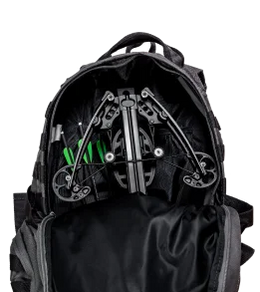
The video above compares the compact BAT family. Below, we explain the terminology and use the full-size MegaBat pair to show why the details matter more than the label.
Reverse-draw vs forward-draw crossbows: what changes?
In a conventional forward-draw layout, the bow assembly is positioned toward the front of the crossbow. A reverse-draw design relocates and reverses that assembly, bringing the riser farther back toward the shooter. The riser is the structure that supports the limbs.
That rearrangement can allow a longer power stroke within a given overall length. It can also move some weight back from the front. Manufacturer TenPoint explains these design principles in its overview. Those are reasons designers use the layout, not a guarantee that every reverse-draw model is lighter, easier to handle, or better balanced for you.
One useful clarification: reverse-draw is not the opposite of compound. A crossbow can be both. “Compound” describes a cam-and-cable system; “reverse-draw” describes its layout. Reading those labels as competing categories makes shopping needlessly confusing.
Balance and weight are different questions
A crossbow's total weight tells you how much equipment you are carrying. Balance describes where that weight sits. Moving weight closer to the shooter may change the feel without reducing the number on a scale.
That distinction matters if you shop online. “Better balanced” is not another way of saying “lighter.” And a lighter bare model may feel quite different after the optic and other approved accessories are fitted. Compare complete configurations when possible.
Think about the part of ownership you find most demanding. Is it carrying the case from the parking area? Supporting the equipment comfortably? Finding room to store it? Those are separate problems. A layout that helps with one may not solve the others.
A real comparison: MegaBat and MegaBat Reverse
These are manufacturer-listed figures checked on October 9, 2026, not results from a side-by-side test. Prices and specifications can change; confirm the current configuration on the linked product pages.
| Specification | MegaBat | MegaBat Reverse |
|---|---|---|
| Layout | Forward-draw | Reverse-draw |
| Listed price | $799 | $999 |
| Listed velocity | 365 fps with 346-grain stock bolt | 390 fps |
| Limb draw weight | 330 lb | 360 lb |
| Listed weight | 8.92 lb | 9.28 lb |
| Length with stirrup | 33 inches | 32–35 inches |
| Axle-to-axle width, uncocked | 12.9 inches | 13.3 inches |
| Axle-to-axle width, cocked | 9.1 inches | 8.6 inches |
| Listed pull-rod draw weight | 110 lb | 120 lb |
Notice the mixed result. The reverse model is narrower axle-to-axle when cocked, but wider when uncocked and heavier overall. That alone should retire the idea that “reverse” automatically means smaller in every useful dimension.
The velocity row is not a controlled comparison: the published figures do not establish identical test conditions. Nor does a higher listed speed demonstrate better accuracy. Avoid turning a catalog table into a test the table never performed.
Compact models: compare within the same family
The BAT and BAT Reverse provide a compact-model comparison. Keep that comparison separate from the full-size pair above. Similar names are not evidence that the equipment shares dimensions, accessories, or handling requirements.
This is where a good shortlist helps. Decide whether you need a compact recreational format or a full-size stocked model first. Then compare forward and reverse layouts within that group. Otherwise, you risk attributing a large difference in size or weight to reverse-draw geometry when you are really comparing two different classes of product.
Three buying checks the design label cannot answer
Fit: Can you comfortably handle the exact assembled model? Ask a qualified dealer for a supervised demonstration. Do not infer cocking effort from the words “reverse-draw,” and do not confuse limb draw weight with the listed effort at a cocking aid.
Ownership: Does the uncocked equipment fit your intended case and storage space? Is qualified service available? Are the approved consumable parts easy to identify by model? These questions remain relevant after the excitement of choosing a design has worn off.
Purpose: Is the model suitable and lawful for your intended activity? A mechanism label does not establish hunting eligibility. Use the relevant wildlife agency's current rules rather than a general claim in a video or product review.
For a broader shopping shortlist, see our BALLISTA crossbow comparison. For an ownership-focused look at the full-size reverse model, read the MegaBat Reverse review.
So, which layout should you choose?
Choose the complete crossbow that fits your needs, not the layout with the most persuasive name. A reverse-draw crossbow deserves a place on the shortlist when its proportions and handling appeal to you. A forward-draw crossbow remains a valid choice when that particular model fits better or makes more sense for your budget.
If you cannot explain what you gain from the more expensive option beyond “it is reverse-draw,” spend more time comparing the actual products. There is no prize for buying a feature you do not need.
Frequently asked questions
Are reverse-draw crossbows always lighter?
No. In the full-size BALLISTA comparison above, the reverse model has the higher listed weight. Layout and total weight are separate specifications.
Does reverse-draw mean easier cocking?
No. The cocking system and the specific model determine the handling requirements. Ask for model-specific guidance rather than assuming the layout reduces effort.
Can I use the same parts on both designs?
Do not assume so. Confirm compatibility for the exact model, including its generation and configuration, before ordering parts or accessories.
Ready to compare the actual models? Explore the BALLISTA crossbow lineup. If a specification or compatibility detail is unclear, ask our team before purchasing.