Fall Bowfishing: Why the Season Doesn't End in Summer
Fall bowfishing might be the best-kept secret in the sport. Most shooters hang up the bow after the June spawn, but cooling water means clearer shots, empty ramps, and carp feeding hard ahead of winter. The season doesn't end in summer — here's why autumn is worth the trip, and how to rig a Ballista crossbow for it.
Why Bowfishing in the Fall Works So Well
Three things change when the water cools, and all three work in your favor.
- The fish feed like it's their job. Carp know the lean months are coming. As Connecticut guide Rowan Lytle put it in Outdoor Life, fall fish "really try and bulk up" before the cold shuts the buffet down. A feeding carp is a shallow, distracted carp — exactly what you want on the end of a bowfishing arrow.
- The water clears up. Summer algae fade as temperatures drop, and on many lakes and rivers fall visibility is the best you'll see all year. You'll spot fish deeper and farther out than you did in July.
- You'll have the water to yourself. Pleasure boats get winterized, the bugs are gone, and the heat is off. If you also hunt, bowfishing fills the dead midday hours: shoot fish from eleven to three, be back in the stand by four.
Is Fall Bowfishing Legal?
In most states, yes. Bowfishing is regulated as a fishing method for non-game ("rough") fish, and for those species there is typically no closed season. Texas is a good example: under the Texas Parks & Wildlife bow fishing regulations, a standard fishing license covers it, crossbows are listed as legal equipment, and non-game fish such as gar, carp, buffalo and mullet carry no minimum length or daily bag limit in fresh water — alligator gar, at one per day, are the big exception.
Rules change at state lines, and sometimes at the boat ramp: cities and river authorities can ban bowfishing on specific lakes. Before you go, check your state agency's page and our state-by-state crossbow regulations guide.
Where the Fish Go When the Water Cools
Early fall fishes a lot like summer — flats, backwaters, marina corners. The pattern shifts as temperatures slide. Fish follow warmth, so the productive window flips from midnight to midday: on a sunny afternoon, dark-bottomed mud flats and wind-protected coves warm first, and carp slide onto them to feed. Work those edges from late morning through mid-afternoon.
The flip side of clear fall water: fish see you sooner, and they sit deeper than they look. Light bends where it crosses the surface, so the old rule — aim low — matters even more on the deeper shots fall hands you. If you're going to miss, miss under the fish.

How to Set Up a Crossbow for Fall Bowfishing
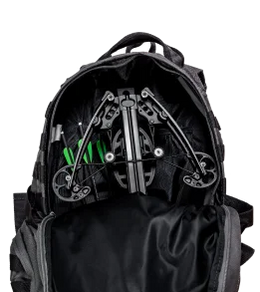
The platform question comes first. The BAT ($299.95) is the world's smallest compound crossbow — light enough to point one-handed all afternoon, which matters more than raw speed when the fish is ten feet away. The BAT Reverse ($449.95) is the reverse-draw version — up to 340 fps with standard bolts in Ballista's field testing — and the better pick if the same rig pulls double duty on fall hog or small-game hunts where legal. This video breaks down the choice:
From there, the conversion takes minutes:
- Fit a reel seat. Ballista's bowfishing reel mount gives the spincast reel a solid anchor on the bow; it comes in the bowfishing bundle or as a stand-alone part.
- Spin on a reel. The stainless BL25 spincast ships pre-spooled with 40 yards of 50 lb bowfishing line, and its 3.3:1 gear ratio picks line up fast between shots. Shooting bigger water or bigger fish? Read our BL25 vs BL33 vs AquaSnipe BL40 reel guide before you choose.
- Load real bowfishing arrows. The 15-inch barbed bowfishing arrows ($29.95 for a 3-pack) are sized for the BAT and BAT Reverse, and at 285 grains they carry through water like a practice bolt never will. Never shoot a standard bolt with line attached.
- Tie the line right. A bad line connection is how arrows get lost — and how snap-back accidents happen. Follow our step-by-step guide to tying line to a bowfishing arrow, and check the knot every outing.
- Add light for the short days. Fall evenings come early. A green laser or red dot keeps you on fish in low light — the bundle ships with a 5 mW green laser sight for exactly that.
Want the whole kit in one box? The BAT Bowfishing Bundle ($409.75) packs the BAT crossbow, the BL25 reel, the reel mount, three bowfishing arrows, practice bolts and the green laser sight — you're rigged and on the water the day it arrives.
Cold-Water Field Tips
- Hunt the warm window. Late morning to mid-afternoon on a sunny day beats dawn. Glass the shallows that get direct sun first.
- Aim lower than you did in summer. Clearer water means deeper shots, and refraction error grows with depth.
- Dress for the water, not the air. Waders and wool layers on the bank; a PFD on any boat. An October dunk far from the truck is a genuine emergency, not a funny story.
- Mind the string. Strings live a hard life around water. Wax on schedule and let the whole rig dry before it goes back in the case.
- Rinse the reel. The BL25's stainless body resists corrosion, but silty fall water gets everywhere — a quick freshwater rinse keeps it cranking smoothly.
FAQ
Can you bowfish in the fall?
Yes. Bowfishing targets non-game species, and most states set no closed season for them, so fall is as legal as June nearly everywhere. Regulations differ by state and even by individual lake, so check your state's fishing rules before you launch.
What fish can you shoot in the fall?
The same rough fish as summer: common carp, grass carp, gar, buffalo and bowfin in fresh water, plus species like mullet and sheepshead on the coast in states such as Texas. What changes in fall is where they sit, not what's on the menu.
What's the best time of day for fall bowfishing?
Flip your summer habits. Instead of midnight under lights, fish the warmest stretch of the day — late morning to mid-afternoon — when carp move onto sun-warmed flats. Night shooting still produces in early fall while water temperatures hold.
Do you need a special license to bowfish in the fall?
Usually a regular fishing license is all it takes — that's how Texas handles it, with no extra stamp. A few states add archery-specific rules, so read the bowfishing section of your state's fishing regulations before your first trip.
Ready to stretch your season? Grab the BAT Bowfishing Bundle — crossbow, reel, mount, arrows and laser in one box — or build your own rig from the full Ballista crossbow lineup. Questions — the FAQ and support have you covered.