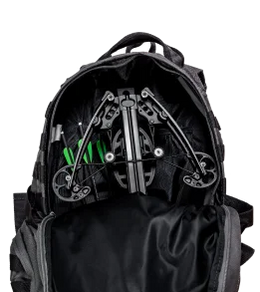
Crossbow Hunting Gear Checklist: Opening Day 2026
Crossbow hunting gear should earn its place in your pack. Use this 2026 checklist to inspect your bow, bolts, optics, safety kit, and recovery tools.
Crossbow Hunting Gear: Pack for Failure Points, Not “Just in Case”
A good packing list starts with a blunt question: what can actually end the hunt? A loose scope mount can. One damaged bolt can. A dead rangefinder battery, wet gloves, or a forgotten haul line can. A third knife and six gadgets usually cannot.
Sort every item by the failure it prevents. Keep the shot system reliable, keep yourself safe, and make sure you can navigate, communicate, and recover an animal after the shot. Everything else has to justify the weight and noise it adds.
Start With the Shot System: Crossbow, Bolts, and Broadheads
Do the mechanical inspection before you pack. Unload and uncock the crossbow, then follow the manual for your exact model. Look for loose or missing fasteners, damaged limbs, rail wear, and fraying or separation in the string and cables. Test the safety and anti-dry-fire system only as the manual directs. If something looks wrong, stop there; opening morning is not the time to improvise a repair.
The Wisconsin DNR crossbow-safety guidance recommends checking the equipment for worn, loose, damaged, or missing parts and using only arrows recommended by the manufacturer. Give each hunting bolt the same attention: inspect the shaft and nock, confirm the fletching is secure, and spin-test the broadhead. Mark the bolts that group together so you are not guessing in the field.
Broadhead width, cutting-edge rules, bolt length, draw weight, transport rules, and hunter-orange requirements can vary by state, season, species, and location. Check the current wildlife-agency regulations for the exact place you will hunt. BALLISTA’s state-by-state crossbow regulations guide is a starting point, not a replacement for the official rulebook.
Optics and Shooting Support: What Must Stay Zeroed
Confirm zero with the exact bolt and broadhead setup you will carry. Shoot the first cold bolt from a realistic field position, not only from a comfortable bench. Check mount screws, clean the lenses, set usable brightness, and put in a fresh battery if the current one is questionable. BALLISTA’s guide to crossbow scopes and red-dot sights explains when magnification helps and when a simpler sight is faster.
A support earns pack space only if you have practiced deploying it quietly. The Mighty Tactical Tripod 303 gives a blind or ground hunter a stable rest, but it is optional—not a substitute for a position you can build quickly under pressure. Range a few landmarks from your setup before the deer arrives, and keep the crossbow pointed in a safe direction while settling into the rest.
Crossbow Accessories That Actually Earn Pack Space
The best crossbow accessories solve a known problem without creating another one. A secure quiver keeps broadheads covered and bolts from rattling. The BALLISTA quick-detach quiver holds four bolts and fits 5.5–8.8 mm shafts, which makes it useful across the BALLISTA lineup. Check clearance after mounting it and practice removing a bolt without sweeping your hand past a broadhead.
Lighted nocks can make the bolt easier to follow and recover, but match the diameter to the bolt: BALLISTA’s 6 mm nocks fit STING bolts used with BAT, BAT Reverse, and Hawkwing setups, while 8.8 mm nocks are for PIERCER bolts used with MegaBat and MegaBat Reverse. Confirm local legality before hunting with them.
A compact tool, lens cloth, spare optic and rangefinder batteries, bowstring wax approved for your equipment, and the correct cocking aid cover most small problems. If you are assembling a setup from scratch, the BALLISTA Crossbow Hunting Kit groups a 4×32 scope, STING bolts, broadheads, lighted nocks, and a quiver. For a BAT Reverse rig with the major components already selected together, compare the Mid Game Hunting Bundle. Always verify model compatibility rather than assuming every accessory fits every rail or bolt.
Safety, Weather, Navigation, and Communication
If you hunt from a tree stand, wear a full-body fall-arrest harness and remain connected from the moment you leave the ground until you return. Inspect the stand, straps, harness, and lifeline before the season. The Treestand Manufacturers Association safety guidelines also call for a haul line instead of climbing with equipment in your hands. The conservative routine is simple: secure yourself first, then raise an unloaded and uncocked crossbow without attaching the line to the trigger or trigger guard.
Dress for the hours you will sit still, not the temperature at the truck. Pack a quiet rain layer, water, a headlamp plus backup light, a small first-aid kit, offline navigation, and a charged phone or signaling device. Tell one person exactly where you are parking and when you expect to return. Before the season, do one daylight walk-through of the route and the exact order in which you will climb, secure yourself, raise the crossbow, and settle in.
Pack for Recovery, Not Just the Shot
The hunt does not end when the bolt leaves the rail. Carry gloves, a second light, a compact way to mark the shot location where permitted, and the contact information for a local tracker if one is available. Keep a knife, game bags, drag system, cooler, or other processing gear appropriate to the animal and access route.
Do not bury recovery gear under spare clothing. You may need it in fading light, with cold hands, while trying not to disturb sign. Put the first things you will use—the light, gloves, phone, and marking tool—in the same pockets every time.
The 15-Minute Night-Before Function Check
- Confirm license, tags, land permission, season, and location-specific equipment rules.
- Inspect the unloaded, uncocked crossbow, then check the safety, string, cables, limbs, rail, and fasteners according to the manual.
- Inspect and count the hunting bolts; confirm the broadheads and nocks match the setup.
- Verify optic zero, mount tension, lens condition, brightness, and battery.
- Turn on the rangefinder, headlamp, backup light, phone, and navigation device.
- Check the forecast, wind, entry route, property boundaries, and expected return time.
- Lay out harness, haul line, boots, outer layers, license, and keys where they cannot be forgotten.
- Pack once, close the bag, and stop changing the setup. Opening morning is for using a proven system.
Hunting Gear Checklist 2026: What Goes Where
Use this hunting gear checklist 2026 as a final packing map. Print this section or save the page as a PDF, then add the few location-specific items your hunt requires.
| Wear / pockets | In the hunting pack | Keep in the truck |
|---|---|---|
| ☐ License and tags ☐ Phone or communicator ☐ Headlamp ☐ Rangefinder ☐ Gloves ☐ Knife |
☐ Water and food ☐ Rain layer ☐ First-aid kit ☐ Backup light and batteries ☐ Small tool and lens cloth ☐ Recovery supplies |
☐ Cooler and processing gear ☐ Dry clothes and boots ☐ Larger repair kit ☐ Spare compatible bolts ☐ Charger or power bank ☐ Recovery and emergency contacts |
FAQ
What crossbow hunting gear is essential for opening day?
Start with a safe, inspected crossbow; matched bolts and legal broadheads; a confirmed optic; license and tags; navigation and communication; light; water; first aid; and the equipment needed for your stand or ground setup. Recovery gear belongs on the essential list too.
How many crossbow bolts should I carry while hunting?
There is no universal number. Carry enough verified hunting bolts for the hunt without overloading the quiver or leaving broadheads exposed. Every bolt you carry should be inspected and should group with the setup you sighted in.
Do I need a rangefinder for crossbow hunting?
A rangefinder is strongly useful because field distance is easy to misjudge. Range landmarks before the animal arrives and know your personal maximum distance. If the rangefinder fails, pass any shot whose distance you cannot judge confidently.
Should spare strings, cables, and tools stay in my pack or in the truck?
Keep only the small tools you know how to use safely in the pack. Major parts and repair tools usually belong in the truck unless your model supports a field procedure you have already practiced. Never turn an unfamiliar repair into an opening-day experiment.
Before you add another accessory, walk through the checklist once. Start with the BALLISTA accessories collection, confirm compatibility with your crossbow, and pack only what solves a real problem. For optional electronics and scouting tools, see the separate high-tech hunting gear guide.