Crossbow Deer Hunting for Beginners: 2026 Field Guide
Crossbow deer hunting rewards preparation, close-range discipline, and a clean shot plan. Here’s how to scout, set up, practice, and hunt ethically in 2026.
A crossbow does not shorten the learning curve in the woods. You still need to read sign, control your movement, wait for a clean angle, and know what you will do after the shot. Start there. Speed and accessories come later.
Crossbow Deer Hunting: What Beginners Need to Get Right
A first season goes better when you define success as making one calm, responsible decision at a time. That may mean passing a deer that never gives you a clean angle. It may mean ending the hunt without firing because the range is longer than you practiced. Those are good outcomes, not missed opportunities.
Before opening day, decide on your personal maximum range. Do not copy a number from a box or a video. Shoot groups from the same height, clothing, support, and body position you expect to use in the woods. Your hunting limit is the farthest distance at which every shot stays inside your chosen vital-zone target under those conditions. If the group opens up, move closer.
Know Your 2026 Deer Season and Local Crossbow Rules
Crossbow seasons are not uniform. A state may treat a crossbow like archery equipment statewide, restrict it by region, or apply different equipment rules during a late season. The examples below were checked against official agency sources on August 29, 2026.
| State | 2026 deer-season snapshot — verify crossbow rules | Official source |
|---|---|---|
| Pennsylvania | Statewide archery dates: Oct. 3–Nov. 20 and Dec. 26–Jan. 24, 2027. In WMUs 2B, 5C, and 5D: Sept. 19–Nov. 27 and Dec. 26–Jan. 24, 2027. Confirm current crossbow equipment rules in the official digest. | PA Game Commission |
| Michigan | Archery: Oct. 1–Nov. 14 and Dec. 1–Jan. 1. Crossbows are legal throughout both segments in the Lower Peninsula and during the early segment in the Upper Peninsula. The late Upper Peninsula segment is closed to most crossbow hunters, with limited disability and resident-senior exceptions. | Michigan DNR |
| Wisconsin | Archery and crossbow: Sept. 12–Jan. 3, 2027; selected metro sub-units and counties extend to Jan. 31. | Wisconsin DNR |
| Minnesota | Archery: Sept. 19–Dec. 31. An archery deer license holder may use a crossbow throughout the season. | Minnesota DNR |
| Ohio | Deer archery dates: Sept. 26–Feb. 7, 2027 statewide; Sept. 12–Feb. 7, 2027 in the disease-surveillance area. Confirm current crossbow equipment rules before hunting. | Ohio DNR season chart |
Hunting seasons, permitted equipment, license requirements, and bag limits can change and may vary by state, county, wildlife management unit, and property. This guide is not legal advice. Before hunting, confirm the current rules for your exact location with the responsible wildlife agency and land manager. BALLISTA’s state-by-state crossbow regulations guide is a useful starting point, but the state agency is the final check.
Choose a Hunting Crossbow You Can Carry, Cock, and Shoot Well
The right hunting crossbow is one you can handle quietly while cold, gloved, and inside a blind or stand. Check the fit, safety placement, balance, and cocking effort before judging speed.
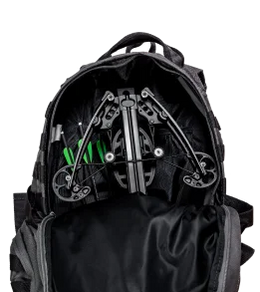
For tight blinds and thick cover, the Hawkwing ($799) measures 5.9 inches axle-to-axle when cocked. BALLISTA lists about 340 fps with its 363-grain, 16-inch bolt. The MegaBat Reverse ($999) is a heavier full-size option, rated up to 390 fps with a 360-pound draw and a built-in self-retracting cord tensioner.
If you would rather start with compatible components chosen together, compare the Hawkwing Big Game Hunting Bundle ($948.75) and the BAT Reverse Mid Game Hunting Bundle ($649.70). Whichever route you take, confirm that the arrows, broadheads, and optics in your final setup are legal where you hunt.
Build a Simple, Reliable Deer-Hunting Setup
A clean setup beats a crowded rail. Start with a sight you can read in dim light, arrows matched to the crossbow, legal broadheads, a secure quiver, and a way to confirm range. Then add only the gear that solves a real problem.
- Optic: sight it with the exact hunting arrow and broadhead combination you will carry. BALLISTA’s guide to crossbow scopes and red dots explains the main options.
- Arrows and broadheads: weigh and inspect them, spin-test broadheads, and practice with the hunting configuration. State minimums for bolt length, draw weight, and broadhead width vary.
- Support: use a rail, shooting stick, or tripod only after practicing how to get on target without scraping, clanking, or sweeping anything you do not intend to shoot.
- Safety gear: use a full-body fall-arrest harness in an elevated stand and a haul line for unloaded equipment. Never climb with a loaded crossbow.
- Small essentials: rangefinder, headlamp, spare batteries, lens cloth, bowstring wax, compact tool kit, gloves, and a waterproof license holder.
Crossbow Hunting for Beginners: Practice Before the Season
Each practice session for crossbow hunting for beginners should begin with one cold shot before you settle into a longer bench session. Range the target, settle the crossbow, control breathing, press the trigger, and follow through. That first arrow tells you more about a hunting setup than the twentieth.
After the bench, practice sitting, kneeling, and from your actual stand height. Wear the jacket and gloves you plan to hunt in. Learn where the crossbow contacts the blind, how far the limbs move, and how quietly you can move from rest to shooting position. Confirm broadhead impact separately from field points, and stop adjusting gear once the setup is repeatable.
Deer Hunting With a Crossbow: Tips for Scouting and Stand Placement
The most useful tips for deer hunting with a crossbow are about distance and movement. Set up where deer naturally pass within your proven range, not where you hope the crossbow will make a long shot possible. Fresh tracks, droppings, rubs, beds, and active food sources matter more than a scenic view.
Walk the route before the season. Range landmarks from the stand and note them in your phone or on a small card. Trim only what the landowner and local rules allow. Leave more than one shooting lane so a single branch does not force a bad angle. If you hunt from a saddle, review the practical considerations in this crossbow saddle hunting guide.
Let the wind decide whether you hunt a location. Plan a quiet entry that does not cross the trail you expect deer to use, and keep a second setup for a different wind.
Shot Selection, Blood Trails, and Ethical Recovery
Wait for a broadside or slight quartering-away angle with a clear path to the chest. Do not shoot through brush, at a deer facing you, or at an animal you cannot confidently identify. Keep both eyes on the deer after release. Note where it stood, the direction it left, and the last place you saw it.
Before following, mark the shot location and listen. Inspect the arrow and sign without trampling the trail. How long to wait depends on the hit, the deer’s reaction, weather, terrain, and what you can confirm. When the evidence is unclear, backing out and calling an experienced tracker is often better than pushing a wounded deer farther.
Recovery is part of the shot decision. If fading light, rain, a property boundary, or unsafe terrain will make recovery unlikely, pass the shot. For more work on realistic distance and form, read the crossbow shooting guide.
A First-Hunt Checklist for Opening Morning
- License, tags, land permission, and current regulations confirmed.
- Crossbow inspected; strings, cables, fasteners, safety, and optic checked.
- Hunting arrows and broadheads matched, legal, and verified at your chosen range.
- Personal maximum distance and no-shot angles decided before the hunt.
- Rangefinder, light, phone, navigation, recovery supplies, and emergency contact packed.
- Harness and haul line ready for any elevated setup.
- Wind, entry route, property boundaries, and tracking plan reviewed.
FAQ
How far should a beginner shoot a deer with a crossbow?
There is no honest universal distance. Use the farthest range at which you can keep every hunting-setup shot in your chosen vital-zone target from a realistic field position. If you cannot repeat it under pressure, shorten the distance.
Where should you aim on a broadside deer with a crossbow?
Wait for a clear broadside or slight quartering-away angle and aim for the heart-lung area behind the front shoulder. Animal position changes the path through the chest, so do not use one fixed “spot” for every angle.
Is a compact crossbow powerful enough for deer hunting?
A compact crossbow can be suitable for deer only if it meets the rules where you hunt and you have verified its accuracy with the exact arrow-and-broadhead setup you will carry. Size alone does not determine whether a crossbow is legal or appropriate for an ethical shot.
What should you practice before your first crossbow deer hunt?
Practice the first cold shot, field positions, range estimation, broadhead impact, quiet movement, safe loading and unloading, and the exact sequence you will use in your blind or stand.
Choosing your first hunting crossbow? Compare the BALLISTA crossbow lineup, then pick the model you can handle quietly and shoot consistently. For setup or compatibility questions, visit the BALLISTA FAQ.